Discovery and Optimization of Small Molecule Drug Leads and Probes

Discovery and Optimization of Small Molecule Drug Leads and Probes

The UH Drug Discovery Institute hosts John Buolamwini of Rosalind Franklin University.

March 24, 2024 / Wei Wang, Ph.D.


test tube

On March 5, the University of Houston Drug Discovery Institute hosted John Buolamwini, Ph.D. for a research talk entitled: “Discovery and Optimization of Small Molecule Drug Leads and Probes.”

Buolamwini's multidisciplinary approach integrates synthetic medicinal chemistry, computational modeling, and experimental techniques to target a variety of chronic diseases, including ischemic heart disease, cancer, HIV/AIDS and Alzheimer’s. 

Buolamwini’s talk opened with a discussion of human concentrative nucleoside transporters (hCNTs) and the necessity of understanding their structure. Buolamwini explained how homology models for hCNT1, hCNT2, and hCNT3 were constructed using the crystal structure of a similar transporter in Vibrio cholerae bacteria as a template. Validation of these models was conducted through docking experiments with known inhibitors, revealing promising correlations, particularly for hCNT1. Subsequent virtual screening using the hCNT1 model identified 14 new inhibitors, showing the potential of these methods in drug discovery targeting nucleoside transporters. 

Buolamwini also discussed another area of his research which focuses on targeting  the constantly active STAT3 pathway in Glioblastoma (GBM), a tumor affecting the brain or spine. Buolamwini introduced SS-4, a novel small molecule designed to disrupt the STAT3-SH2 domain interaction. Computational modeling demonstrated SS-4's efficacy in blocking the activation of the STAT3 protein at low concentrations. In vitro studies confirmed SS-4's ability to suppress GBM cell proliferation and induce apoptosis (i.e., cell death), and in vivo experiments highlighted the potential of SS-4 as a therapeutic agent for GBM treatment. 

Throughout the talk, Buolamwini emphasized the importance of interdisciplinary collaboration in addressing complex medical challenges. His innovations in drug design and discovery offer a promising outlook for improved patient outcomes through the development of novel therapeutics. 

John Buolamwini, Ph.D. is chair of Pharmaceutical Sciences at Rosalind Franklin University. He has held faculty positions in the United States for the past 30 years, including the University of Mississippi and the University of Tennessee, where he served as the Vice Chair and Director of Graduate Programs of the Department of Pharmaceutical Sciences from 2012-2014. 


News Category

Targeting Chronic Infections and Deadly Bacteria

Targeting Chronic Infections and Deadly Bacteria

UH researcher examines self-digestion mechanism in persister cells.

February 03, 2020 / Laurie Fickman


cells

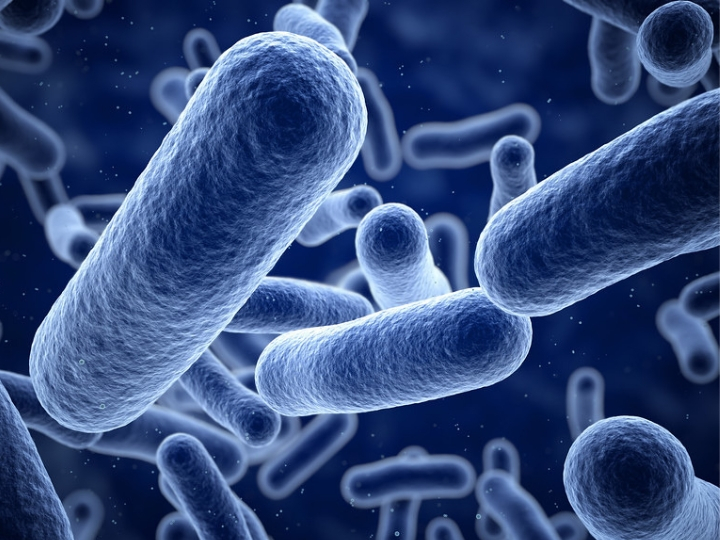
A University of Houston engineering professor is examining the life cycle of stubborn, drug-resistant persister cells in recurrent infections to find a way to destroy them. Persister cells are non-growing cell subpopulations observed in many pathogenic bacteria and they certainly live up to their name – they persist, and are not fazed by current medications. Scientists believe they cause the recurrence of chronic health issues like airway infections in cystic fibrosis patients, urinary tract infections and tuberculosis.

“If we know how persister cells are formed, we can target their formation mechanisms to eliminate these dangerous cell types,” said Mehmet Orman, assistant professor of chemical and biomolecular engineering, who is using a $1.9 million grant from the National Institute of Allergy and Infectious Diseases to explore persister cells.

Orman believes that self-digestion, or autophagy, stimulates persister formation. In self-digestion, cells recycle essential energy molecules by eating their own protein, lipids or other bits to stay alive or temporarily survive under starvation conditions. Self-digestion is triggered by extracellular stress conditions, such as nutrient depletion, hypoxia and overpopulation.

Orman will map the self-digestion-related mechanisms in E. coli to understand how self-digestion is linked to persister cell formation. Then, he will therapeutically explore these mechanisms to identify chemical compounds that can eliminate persister cells.

“Mapping of this comprehensive bacterial pathway from its initial exogenous trigger, through its signal transduction, to the source of antibiotic tolerance, will enable us to develop affective anti-persister therapeutics,” said Orman.

Self-digestion inflicts damage on the cells and can make the cells dormant, putting them in a sleeping mode, and these dormant cells are not effected by antibiotics. The bacterium is less fit to produce protein and resume growth upon exposure to fresh nutrients, providing temporary protection against antibiotics until the self-inflicted damage is repaired. 

From an evolutionary perspective, self-digestion is an important survival mechanism. This complex process, which is orchestrated by many regulatory proteins and enzymes, has been well documented in mammalian cells, but largely ignored in bacteria. “By integrating our expertise in bacterial cell biology with advanced current technologies, we aim to decipher the key components of this pathway to provide a clear and much-needed picture of bacterial self-digestion mechanisms,” said Orman.

Orman, himself, is persistent. Previously he developed methods to directly measure the metabolism of persister cells. He has also discovered that persisters are mostly derived from stationary-phase cells with high metabolic activities maintained by self-digestion.


News Category

Pathways to Impactful Medicines

Pathways to Impactful Medicines

The UH Drug Discovery Institute hosts Sharath Hegde of Congruence Therapeutics.

May 01, 2024 / Alyssa Cahoy


research

On Tuesday, April 23, the UH Drug Discovery Institute hosted Sharath Hegde of Congruence Therapeutics for a research talk titled “Discovering Impactful Medicines: Many Paths, Same Goal.” 

Hegde’s talk opened with an overview of the drug development process, in which he contextualized high attrition rates in pre-clinical and clinical testing phases. While there are over 1,000 drug companies internationally, only 55 novel drugs were approved by the Food and Drug Administration in 2023. Hegde estimated that for every 100,000 potential compounds for novel drugs, only one is demonstrated to be safe and efficacious in the target patient population at the intended therapeutic dose. 

The talk then transitioned into a discussion of four different paths to drug discovery— phenotypic screening, repurposing existing drugs, utilizing a fast-follower approach and taking a target-driven approach. For each method of drug discovery, Hegde described in detail case studies of approved medicines and shared insights from his own drug development experiences. The seminar concluded with practical considerations for drug-hunting, such as decision-making with imperfect data and optimizing optionality and focus. 

Sharath S. Hegde, Ph.D. is Chief Scientific Officer at Congruence Therapeutics and a passionate drug hunter who has participated in the discovery of several NCEs including the marketed medicines Vibativ® (telavancin), Yupelri® (revefenancin) and Aloxi® (palanosetron). He obtained his Ph.D. in Pharmacology from the University of Houston. Hegde has extensive experience in seeding new project ideas and driving the discovery of first-in-class/best-in-class drugs in multiple therapeutic areas including cardiovascular, respiratory, genitourinary and gastrointestinal diseases. He is the co-author of over fifty scientific publications. 


News Category

Lipid Engineering to Create New Therapeutics and Other Products

Lipid Engineering to Create New Therapeutics and Other Products

The UH Drug Discovery Institute hosts Dan Monticello of GlycosBio.

March 28, 2024 / Richard Willson


Dan Monticello

On March 26, the UH Drug Discovery Institute hosted Dan Monticello of GlycosBio for a research seminar titled “Lipid Engineering to Create New Therapeutics and Other Useful Products.”

In this talk, Monticello described enzyme-based processes to enhance the nutritional and therapeutic properties of lipids— plant and animal fats. GlycosBio has developed a library of proprietary lipids designed to enhance the performance of personal care molecules, including the ability to selectively unlock antimicrobial properties of natural materials for therapeutic benefit.

Studies show improved bioavailability in oils for cystic fibrosis patients and species-specific antimicrobial activity for rebalancing microbiomes. Studies have also targeted strep throat, RSV, and dental caries. Monticello also described how lipids may be engineered to interact with the skin, increasing their permeability to a range of hydrophobic molecules from hydrocortisone to CBD. Vegetable oils can also be modified to act as latex-compatible lubricants to replace silicone oils.

Daniel J. Monticello, Ph.D. is Chief Scientific Officer at GlycosBio Inc. in the Texas Medical Center. He obtained his B.S. in Microbiology from the University of Michigan and a Ph.D. from Michigan State University. He completed his postdoctoral training at the University of Georgia before joining Miles Laboratories in Indiana. Monticello has co-founded several biotechnology companies. He is inventor or co-inventor on over 40 issued or pending U.S. patents.


Immunological Memory in Weight Cycling

Immunological Memory in Weight Cycling

Heather Caslin poses the question: is weight loss always good?

November 20, 2023 / Heather Caslin, Ph.D.


Scale

On November 15, an online webinar given by Heather Caslin, Ph.D., professor in the UH Health and Human Performance Department, asked the question: is weight loss always good?

Caslin’s research suggests that while weight loss is good for metabolic health, the immune cells in fat tissue appear to “remember” former weight gain. The immune cell populations that infiltrate into the fat, expand with, and activate upon weight gain are retained following weight loss. These cells are known to contribute to insulin resistance and the development of diabetes.

Moreover, Dr. Caslin showed that adipose macrophages specifically develop innate immune memory, or trained innate immunity, which primes them for enhanced activation to bacterial stimuli like LPS or to regain weight. Cycles of weight gain and loss increase risk for diseases like diabetes and hypertension when compared to stable weight gain, and thus, adipose macrophage memory may play a causal role in weight cycling- accelerated disease risk.

Weight cycling is very common, as weight loss is hard to do and hard to maintain. Thus, Caslin’s research helps us to understand one mechanism by which weight cycling may worsen disease risk. Moreover, it suggests that adipose macrophage memory may be a potential therapeutic target in weight cycling- accelerated diabetes.


Opportunities in Basic and Translational Research

Opportunities in Basic and Translational Research

In the 21st century, chemical biology has emerged as a discipline central to therapeutic discovery and development.

May 10, 2023 / Sarah F. Hill


Gary A. Sulikowski

The Vanderbilt Institute of Chemical Biology (VICB) was established in 2002 with the stated mission to establish research and education programs in the application of chemical technologies to important biological problems. A large percentage of Nobel Prizes, in fact, are chemical biology-related. 

In his seminar to the UH Drug Discovery Institute, Gary A. Sulikowski of VICB gave an historical introduction to the Institute and provided select examples of chemical probes developed within the VICB. Chemical probes are powerful tools that modulate the activity of specific proteins in cells often with the goal of demonstrating disease relevance. They are potential pathfinder molecules for drug discovery.

Challenging efforts in pre-clinical development were discussed, such as apoptolidin family glycomacrolides which target leukemia through inhibition of ATP synthase. Of much interest to the participants: Vanderbilt’s high-throughput screening facility, which allows faculty and students to conduct small molecule and drug screenings, functional genomics screening and high content screening. The VICB also houses a compound library.

Sulikowski received a BS in chemistry from Wayne State University and a Ph.D. in organic chemistry from the University of Pennsylvania. He was an American Cancer Society postdoctoral fellow at Yale University. His first faculty appointment was in the Department of Chemistry at Texas A&M University in 1991, and he joined the Vanderbilt Chemistry Department and Institute of Chemical Biology in 2004. Sulikowski’s research interests involve the design and development of chemical syntheses of complex molecules, specifically bioactive natural products and molecular probes. Over time his interests have expanded to the chemical synthesis of molecular tools with application in biological research and therapeutic lead development. He has published over 125 research publications and co-authored 11 patents.


Five Innovative Projects Receive 2025 Seed Grants

Five Innovative Projects Receive 2025 Seed Grants

DDI has awarded 2025 Seed Grants to research teams advancing innovative drug discovery. This year’s awards include a new Technique Expansion Track.

July 29, 2025 / Tim Holt


cells

The University of Houston Drug Discovery Institute supports innovative drug discovery and development research through its Seed Grant Program. This year, three multidisciplinary research teams have been selected to receive funding to develop competitive extramural grant proposals, advancing UH’s research priority area of Health and Well-being. 

New to the program, DDI included a separate Technique Expansion Track for projects that would leverage the state-of-the-art equipment in UH core facilities to strengthen external grant applications in drug discovery. Two proposals were awarded for the technical track. 

Each winning team will receive funding to support critical activities like pilot studies, data collection, and proposal development. 

2025 DDI Seed Grant Recipients 

Scientific Track: $50,000 

  1. A Novel Closed-System Microfluidic Platform for High-Purity Lymphocyte Isolation from Whole Blood: Enhancing PSMA-Targeted CAR T Therapy for Prostate Cancer
    1. Team: Sergey Shevkoplyas, Cullen College of Engineering ; Qin Feng, College of Natural Sciences and Mathematics
  2. Mechanistically Novel Inhibitors of Androgen Receptor to Treat Prostate
    1. Team: Alexander V. Statsyuk, College of Pharmacy ;Tasneem Bawa-Khalfe, College of Natural Sciences and Mathematics
  3. Studies on the Mycobactericidal Properties of Lysates from an Actinobacterial Isolate Tersicoccus Phoenicis
    1. Team: William Widger and  Madhan Tirumalai, College of Natural Sciences and Mathematics; Patrick Cirino, Cullen College of Engineering 

Technique Expansion Track: $15,000 

  1. Improving CAR T Therapy Efficacy and Persistence through Modulation of a Transcriptional Coactivator
    1. PI: Qin Feng, College of Natural Sciences and Mathematics
  2. Novel Targeted Therapy for Vasculopathy in Cryopyrin-associated Periodic Syndrome
    1. PI: Yunting Wang, College of Pharmacy 

News Category

A New Generation of Tubulin Inhibitors

A New Generation of Tubulin Inhibitors

Wei Li of the University of Tennessee Health Science Center demonstrates promising research on tubulin inhibitors for metastatic cancer.

June 06, 2023 /


cancer treatment

On May 25, the University of Houston Drug Discovery Institute hosted Wei Li, Ph.D. for a hybrid seminar entitled: "The Discovery of a New Generation of Tubulin Inhibitors for Metastatic Cancer.” 

Li, Distinguished Professor at the University of Tennessee Health Science Center (UTHSC), the Director of the UTHSC College of Pharmacy (UTCoP) Drug Discovery Center, and the Faculty Director of the Shared Analytical Instrument Facility at UTCoP, provided a comprehensive overview of groundbreaking research on orally bioavailable tubulin inhibitors. This research has demonstrated exceptional efficacy in combating cancer and shows great promise in overcoming drug resistance mechanisms.

Li's work represents a significant advancement in the field of cancer treatment, specifically in addressing the limitations associated with widely used tubulin inhibitors such as paclitaxel. By specifically targeting the colchicine binding site, these novel inhibitors exhibit a broad spectrum of potent anticancer activity. Notably, the investigational new drug Sabizabulin, derived from Li's research, has progressed to multiple clinical trials for cancer treatment. In addition, it recently also completed a Phase 3 trial for hospitalized COVID-19 patients. 

Moreover, Li shared valuable insights into the ongoing project in his lab, which focuses on the discovery of selective TRPC3 inhibitors for the treatment of neurological diseases, particularly epilepsy. This ongoing research endeavors to identify compounds that can effectively modulate TRPC3 channels and hold the potential to address unmet medical needs in the field of neurological diseases.